Source Scented Pure Natural Wax Block for Candle Making
Explore 30 listings for scented pure natural wax block suitable for candle manufacturing, modelling, and home lighting. Compare specifications including melting points, purity levels, and packaging options from verified suppliers to find the right material for your production needs; compare the available evidence and request quotations based on your requirements.
Key considerations
Products List





Comprehensive Sourcing Guide
Scented Pure Natural Wax Block Sourcing Guide
Procurement teams must first distinguish between vegetable-based options like soy and coconut wax and traditional beeswax when sourcing scented pure natural wax blocks. The market data indicates a clear split where some listings specify "Vegetable Wax" with ingredients like higher aliphatic acids, while others explicitly claim "100% Pure Beeswax" with a nature honey smell. Buyers should verify the specific classification of each supplier's inventory to ensure the material aligns with their product formulation requirements, as the source material dictates the final scent profile and burning characteristics.
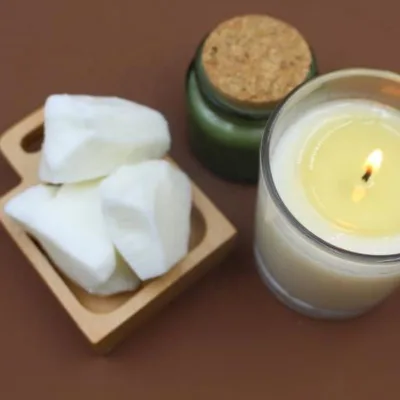
Buyers must also scrutinize the customization capabilities listed for these wax blocks, as the ability to add fragrance is a critical differentiator. While some products are described as having added fragrance, others are presented as raw materials requiring the buyer to introduce scents during the manufacturing process. Understanding whether the supplier provides pre-scented blocks or raw granules and blocks is essential for planning the downstream candle manufacturing or modeling workflow, ensuring the supply chain matches the intended production method.
Product Scope and Observed Listing Signals
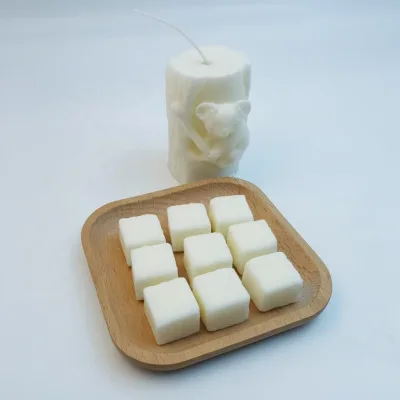
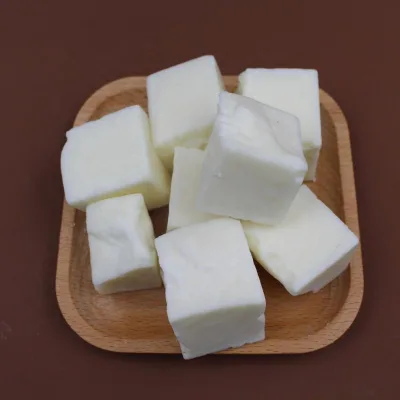
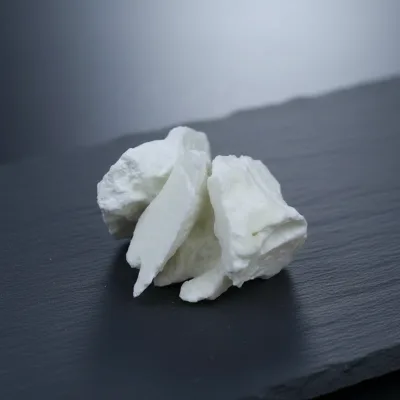
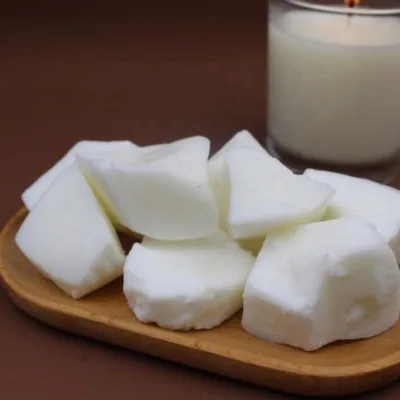
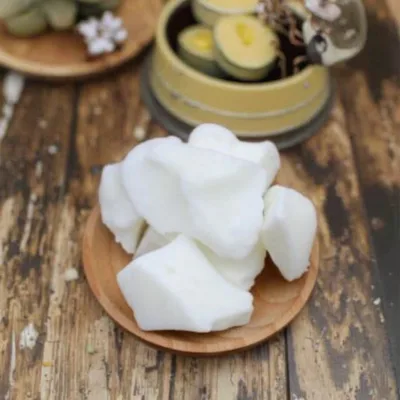
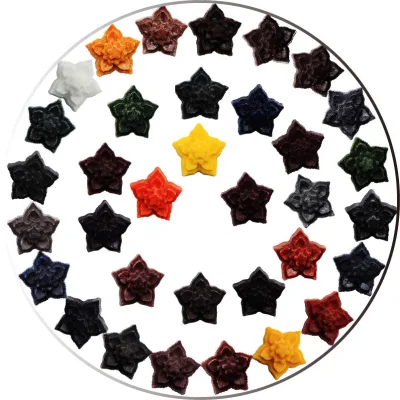
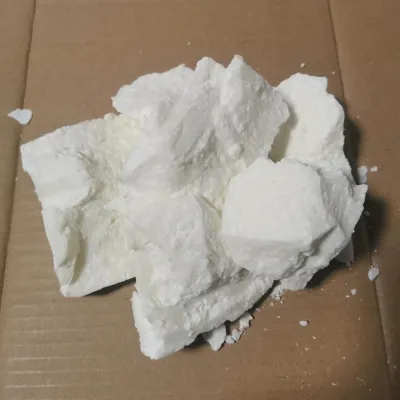
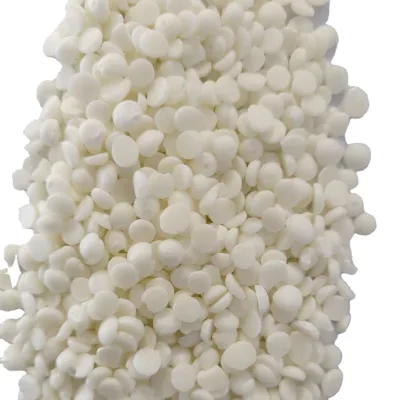
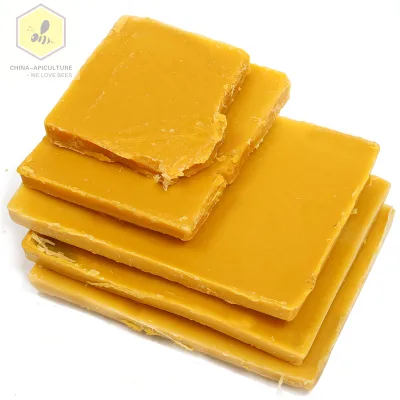
The observed product range spans from solid granules and flakes to large blocks, with packaging typically standardized at 25kg woven bags or larger bulk containers. Listings show a diverse array of forms including granules, flakes, and blocks, which allows buyers to select the physical state that best suits their melting and pouring equipment. The color spectrum ranges from yellow to white, with some products described as slightly yellow, indicating that visual consistency is a variable that must be confirmed against the specific aesthetic needs of the final candle or modeling product.
Price and minimum order quantity signals vary significantly, with observed ranges starting as low as 0.18 USD per unit and reaching up to 3580 USD, while MOQs fluctuate between 1 and 3000 units. This wide variance suggests that buyers should not rely on a single price point but rather evaluate the total cost of ownership based on volume and specific product models like coconut, soy, or palm wax. The presence of different product models such as "005" or "GL" further indicates that distinct formulations exist, requiring careful selection to match the desired melting point and usage profile.
Technical Specifications to Verify
Technical verification must focus on the melting point and chemical values to ensure the wax performs correctly during the candle manufacturing process. Specific data points indicate melting points ranging from around 62℃ to 67℃, which is critical for determining the cooling time and structural integrity of the finished block. Buyers should request batch-specific test results for acid value, saponification value, and peroxide value to confirm that the chemical composition remains within the expected ranges of 17-24 for acid value and 87-104 for saponification value.
The physical form and purity claims require rigorous cross-referencing with the supplier's technical data sheets to avoid discrepancies in the final product. While some listings claim "100% Pure" status, others specify ingredients like high-molecular polymers or higher aliphatic acids, which may alter the burning behavior. Verification of the glycerol and other polyols content, which should be less than or equal to 0.50%, and lead content, capped at 2.0 Mg/Kg, is necessary to ensure the wax meets safety standards for food packaging, cosmetics, and home lighting applications.
Compliance and Safety Documentation
Safety compliance is paramount when sourcing wax intended for home lighting, food packaging, or cosmetic applications, requiring valid certification from recognized bodies. The market data confirms that some suppliers provide SGS certificates, which serve as a baseline for verifying that the product has undergone independent testing for heavy metals and other contaminants. Buyers must ensure that the specific batch they intend to purchase is covered by a current certificate, as the absence of such documentation poses a significant risk for regulatory non-compliance in export markets.
Documentation regarding the purification process and origin of the raw materials is equally critical for maintaining product integrity and brand reputation. Listings mention a purification method involving "First Melt and Then Purify," which suggests a specific manufacturing protocol that should be validated to ensure no harmful substances remain in the final block. Additionally, verifying the origin as China and confirming the "Cultivated" source for beeswax helps establish a transparent supply chain, allowing buyers to assess the ethical and environmental implications of their procurement decisions.
Cost Drivers and Commercial Terms
Commercial terms are heavily influenced by the packaging standard and the specific model of wax selected, with 25kg bags being the most common unit of measure. Buyers should anticipate variations in pricing based on whether the product is sold as a standard 25kg bag or in larger bulk quantities like 500kg or 1000kg, as these volume tiers often trigger different pricing structures. The flexibility of packaging, including options for customer demand, can also impact the final cost, making it essential to negotiate terms that align with the buyer's storage and logistics capabilities.
Lead times and customization fees represent additional cost drivers that can affect the overall procurement budget and project timeline. While some suppliers offer standard models with immediate availability, others may require lead time for custom scents or specific color adjustments, which can extend the delivery schedule. Buyers must clarify whether the quoted price includes the cost of fragrance addition or if this is a separate service, as the "Fragrance Added" attribute in some listings implies a value-added process that may incur extra charges.
Supplier Qualification and Quality Control
Supplier qualification should prioritize those who demonstrate a clear understanding of the diverse applications for their wax, such as candle manufacturing, modeling, and food processing. A qualified supplier will provide detailed specifications for each product model, distinguishing between soy wax, beeswax, and synthetic options, and will be transparent about the intended use cases like decoration, birthday parties, or wedding lighting. This level of detail ensures that the buyer receives a product that is technically suitable for their specific end-use, reducing the risk of formulation failures.
Quality control protocols must be established to verify that the physical appearance and chemical properties remain consistent across different production batches. Buyers should request samples to test the smell, color, and melting point before committing to large orders, as the observed range of colors from yellow to white and smells from nature honey to added fragrance can vary significantly. Establishing a clear acceptance criteria for parameters like the peroxide value and lead content ensures that the supplier maintains the high standards required for safe and effective use in consumer products.
Long-Term Procurement Checks
Long-term procurement success depends on maintaining a stable supply chain that can consistently meet the evolving demands of candle manufacturing and modeling projects. Buyers should regularly review the supplier's ability to maintain the specified standards, such as the 25kg/bag packaging and the 62-67℃ melting point range, to ensure that product quality does not degrade over time. Continuous monitoring of the supplier's certification status and adherence to safety limits for heavy metals is essential for protecting the brand from potential recalls or regulatory issues.
Strategic partnerships with suppliers who offer flexible customization and reliable lead times will provide a competitive advantage in the market. As the demand for scented pure natural wax blocks grows, buyers must ensure their suppliers can scale production to meet increased order volumes without compromising on purity or safety. Regular audits of the supplier's purification processes and ingredient sourcing will help maintain the integrity of the "100% Pure" claims and ensure that the final products continue to meet the high expectations of end consumers.
FAQs
What types of natural wax blocks are available for scented candles?
Scented pure natural wax blocks are available in vegetable, soy, beeswax, and synthesis varieties. Vegetable and soy options offer clean burning, while beeswax provides a natural honey scent. Synthesis wax uses high-molecular polymers for specific molding needs. Each type supports fragrance addition and suits different candle manufacturing requirements.
Can I customize the packaging for bulk wax block orders?
Yes, customization is available for bulk orders. Standard packaging typically uses 25kg woven bags or bags, but options can be adjusted according to customer demand. This flexibility allows buyers to select packaging that best fits their logistics and storage needs while ensuring the wax remains protected during transit and handling.
What is the melting point range for natural beeswax blocks?
The melting point for natural beeswax blocks typically ranges from 62 to 67 degrees Celsius. This specific thermal property ensures stable performance during candle manufacturing and modeling applications. The wax maintains its structure until heated, allowing for precise control in casting and shaping processes for various decorative and functional lighting products.
Which certifications are provided for pure natural wax products?
SGS certification is provided for pure natural wax products to verify quality and safety standards. This certification helps ensure the wax meets international requirements for purity and composition. Buyers can rely on these verified attributes when sourcing materials for cosmetics, food packaging, or high-end candle manufacturing where material safety is critical.
What are the primary uses for pure natural wax blocks?
Pure natural wax blocks are primarily used for candle manufacturing, modeling, and casting. They also serve in food packaging, cosmetics, skin care, and wood furniture care. The versatility of these blocks allows them to be shaped into granules, flakes, or solid forms, making them suitable for diverse industrial and decorative applications.
How is the purity of natural beeswax ensured during production?
Purity is ensured through a process of first melting and then purifying the raw material. This method removes impurities to achieve 100% pure beeswax. The resulting product is free from harmful substances, maintaining its natural characteristics and suitability for sensitive applications like cosmetics and food-related packaging while preserving its natural honey scent.